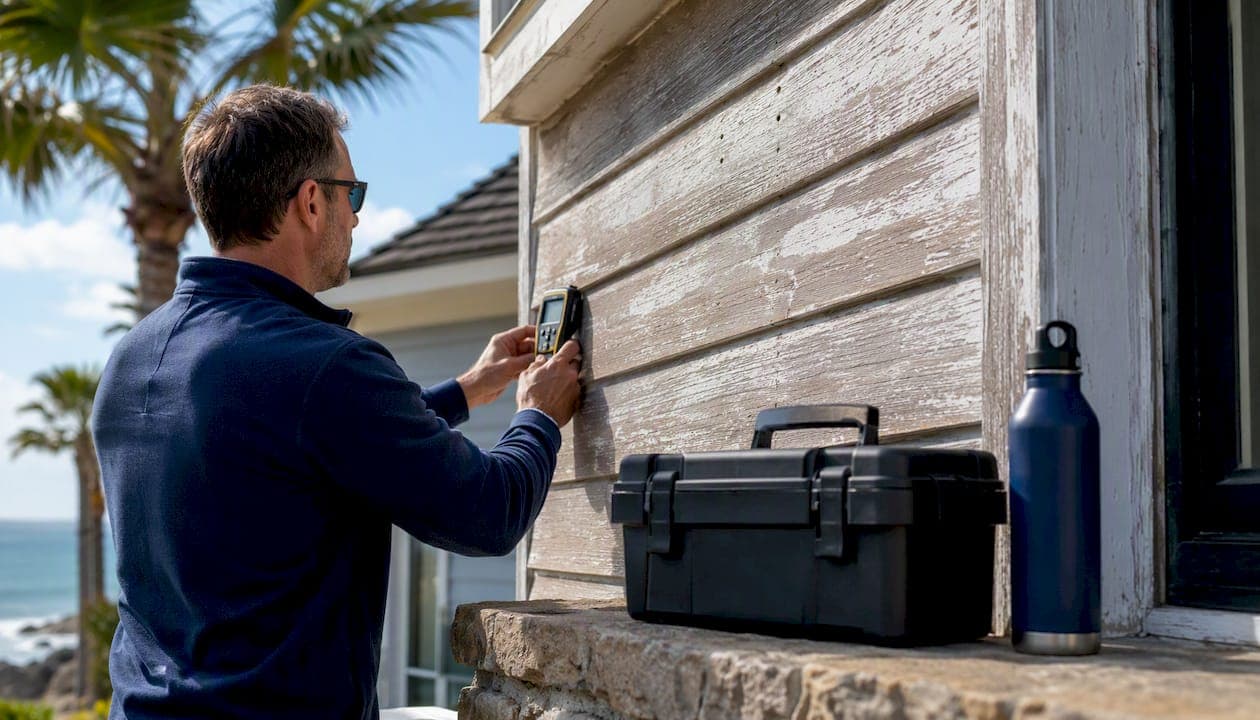
The single most important habit for any coastal home is a regular rinse-and-inspect routine that prioritizes salt removal, humidity control, and corrosion-resistant hardware. Salt, sand, UV, and year-round humidity break down paint, corrode metal, rot wood, and strain HVAC systems faster than any inland climate. Left unchecked, these forces turn small issues into five-figure repairs.
- Keep indoor relative humidity in a moderate range recommended by building-industry guidance to help prevent mold and wood swelling.
- Watch National Hurricane Center advisories from June through November to time storm prep.
- Consider a service like 30apropertycollective if weekly inspections aren't realistic for your schedule.
Pro Tip: Rinse salt off railings, hinges, and light fixtures with fresh water every time you hose down the siding. Salt left to dry is what actually causes the pitting, not the humidity alone.
Key Takeaways
Consistent rinse-and-inspect habits, tuned to the seasonal calendar, prevent the salt, humidity, and storm damage that cause the most expensive coastal repairs.
| Point | Details |
|---|---|
| Rinse and inspect often | Remove salt from siding and hardware every 2 to 4 weeks and inspect semiannually for early damage. |
| Control indoor humidity | Keep relative humidity around 45 to 55% and change HVAC filters monthly in coastal climates. |
| Follow the seasonal calendar | Match tasks like HVAC service, shutter testing, and gutter clearing to spring, summer, fall, and winter priorities. |
| Document everything | Photograph the exterior regularly and after storms to support insurance claims and track structural changes over time. |
| Consider professional support | 30apropertycollective offers weekly inspections and storm-readiness services for homeowners who can't maintain this schedule themselves. |
Table of Contents
- Coastal Home Maintenance Checklist for Exterior Surfaces
- How Do You Prevent Mold and Humidity Damage Indoors?
- Seasonal Maintenance Schedule for Beach Houses
- Storm Preparedness and What to Do After a Hurricane
- Which Materials Resist Salt Damage Best?
- When Should You Hire a Professional or Estate Manager?
- Protecting Your Deck, Furniture, and Outdoor Grill from Salt Air
- Long-Term Structural Monitoring for Foundations and Pilings
- Stopping Water Intrusion Before It Starts
- Septic and Drainage Care in Coastal Environments
- Let 30apropertycollective Handle the Weekly Details
- Frequently Asked Questions
- Sources
Coastal Home Maintenance Checklist for Exterior Surfaces
Your exterior takes the worst of it. Salt spray settles into every crevice, sand acts like sandpaper in high wind, and UV rays chalk out paint within a few seasons. A tiered inspection schedule catches problems while they're still cheap to fix.
Monthly to quarterly:
- Rinse siding, trim, and railings with fresh water to remove salt crystals before they etch into finishes.
- Rinse the outdoor HVAC condenser coils, which corrode faster near salt air.
- Clear window tracks and door thresholds of sand and grit.
- Check caulk lines around windows and doors for gaps or peeling.
Semiannual:
- Pressure wash siding, decking, and hardscapes, ideally once after spring storms and again in fall.
- Inspect the roof and flashing for lifted shingles, cracked tiles, or gaps.
- Clean gutters and confirm downspouts direct water away from the foundation.
- Replace corroded screws, hinges, and brackets with stainless steel or coated hardware.
Annually:
- Repaint or recoat sun-exposed surfaces before finish failure becomes visible peeling.
- Inspect deck ledger connections, support posts, and any visible pilings for movement.
- Photograph the exterior from the same angles each visit, so you have a running record for insurance claims.
- Walk the perimeter monthly and note anything that looks different from last time.
- Schedule the semiannual pressure wash and roof check around spring and fall.
- Budget one full day annually for a top-to-bottom exterior walkthrough with a contractor if issues are piling up.
Pro Tip: After a storm, wrap exposed metal connectors in plastic sheeting or apply a temporary anti-corrosion spray until you can get proper repairs done. A few days of saltwater exposure on bare metal does more damage than a full year of normal weather.
How Do You Prevent Mold and Humidity Damage Indoors?
Indoor humidity is the quiet threat most homeowners underestimate. Keep relative humidity in the 45–55% range using your HVAC system and standalone dehumidifiers in problem rooms like laundry areas and crawlspaces. Above that range for extended periods, mold and mildew take hold within 24 to 48 hours on porous surfaces.
Coastal HVAC systems need more frequent filter changes than inland units, often monthly instead of quarterly, because salt-laden air clogs filters faster. Condensate lines also need regular flushing to prevent algae clogs that cause overflow and water damage. Schedule professional HVAC service twice a year, ideally before summer humidity peaks and again before winter.
- Check under kitchen and bathroom sinks monthly for hidden leaks or musty odors.
- Inspect crawlspaces and behind large appliances for condensation buildup.
- Confirm bathroom and kitchen exhaust fans vent outdoors rather than into the attic, a common builder shortcut that seeds mold problems.
- Wipe salt film from door handles, faucets, and window hardware, since it holds moisture against metal.
- Watch for windows and insulated glass units with foggy interiors, a sign the seal has failed and needs replacement.
Swollen doors, sticking drawers, or trim that no longer sits flush usually mean wood has absorbed more moisture than it should. Catch it early, and a light sanding fixes it. Ignore it, and you're replacing the trim.
Seasonal Maintenance Schedule for Beach Houses
Coastal maintenance isn't a once-a-year event. It follows the calendar, and each season carries its own priority list.
| Season | Priority Tasks |
|---|---|
| Spring | Deep exterior rinse and pressure wash, HVAC spring service, re-caulk gaps, inspect roof and gutters after winter storms |
| Summer | Increase rinse frequency, manage sand buildup around doors and tracks, monitor indoor humidity, inspect outdoor furniture and grills |
| Fall | Test hurricane shutters or panels, secure or store loose outdoor items, service HVAC before storm season, clear gutters ahead of heavy rain |
| Winter | Conduct post-storm inspections, check for water intrusion, inspect pilings and foundation for settlement, plan major repairs for spring |
A spring checklist built around these tasks keeps you from scrambling in June when hurricane season starts.
- Handle rinse-downs and filter changes yourself. They're quick and don't need special tools.
- Hire a licensed contractor for roof inspections, HVAC servicing, and anything involving structural fasteners or pilings.
- Treat storm damage as immediate: tarp exposed roofing and document damage within 24 to 48 hours, even if full repairs wait for an adjuster.
Storm Preparedness and What to Do After a Hurricane
Before a storm, deploy shutters or impact panels, and actually practice the process once a year so it's not the first time you're doing it under pressure. Secure or bring in outdoor furniture, move valuables off ground floors if flooding is a risk, and photograph the property inside and out. A pre-hurricane checklist with dates and drills built in removes the guesswork when a storm is 72 hours out.
During and immediately after, safety comes first. Stay clear of downed power lines and standing water. Once it's safe, photograph all visible damage before touching anything, then apply temporary tarps or seals to stop water intrusion.
- Inspect the roof and flashing first.
- Check windows and doors for cracked seals or shifted frames.
- Look at soffits and fascia for water staining.
- Test HVAC and electrical systems before running them.
- Examine the foundation and any pilings for new cracks or settlement.
Document everything thoroughly before calling your insurer, and avoid permanent repairs until the adjuster has inspected. Keep your Elevation Certificate on file if your property has one. A detailed regional guide can help you build a timeline specific to your area's storm patterns.
Which Materials Resist Salt Damage Best?
Not all building materials age the same way near the water. Fiber cement or PVC cladding outperforms untreated wood by a wide margin, and marine-grade or 316 stainless steel fasteners resist pitting that ordinary galvanized hardware can't survive more than a season or two.
- Choose powder-coated or marine-grade metal for railings, hinges, and light fixtures.
- Use UV-resistant, mildew-resistant exterior paint, and recoat on the schedule the manufacturer recommends, not just when it looks bad.
- Apply manufacturer-approved sealants around windows and any wall penetrations, since gaps here are where water intrusion usually starts.
- Grade landscaping away from the foundation so runoff doesn't pool and trap moisture against the structure.
- Plant salt-tolerant species near the shoreline side of the property to reduce dieback and the bare patches that invite erosion.
When you spot early surface corrosion, a wire brush and a marine-grade protective coating often buy you another year or two. Once a fastener or bracket is structurally compromised, replace it. Don't patch what's already failing.
Pro Tip: Keep a small tube of dielectric grease on hand for outdoor electrical connections. A thin coat prevents the corrosion that causes flickering lights and tripped breakers in salt air.
When Should You Hire a Professional or Estate Manager?
Some tasks are fine for a Saturday afternoon. Others need a licensed professional, and knowing the difference saves money in both directions.
- Recurring HVAC or moisture problems that keep coming back despite your own fixes.
- Long stretches of absentee ownership, where nobody is on-site to catch a small leak before it becomes a big one.
- Peak season demands, when weekly inspections matter more than ever but you're not there to do them.
- Post-storm damage that involves roofing, structural elements, or electrical systems.
- Annual roof inspections and deck ledger checks belong with a licensed contractor.
- Pest and termite inspections should happen at least once a year in humid coastal climates.
- A home-watch or estate-management service covering weekly visits often costs less than the emergency repairs it prevents.
If you're gone more than a few weeks at a time, absentee ownership changes the math on how often your property actually needs eyes on it.
Protecting Your Deck, Furniture, and Outdoor Grill from Salt Air
Outdoor amenities take a beating that indoor furniture never sees. Wood decking swells and contracts with humidity swings, and the fasteners holding it together corrode long before the boards themselves show wear. Inspect decking for soft spots, popped nails, or gray, splintering wood at least twice a year, and reseal or stain according to the product's recommended schedule, typically every one to two years for coastal exposure.
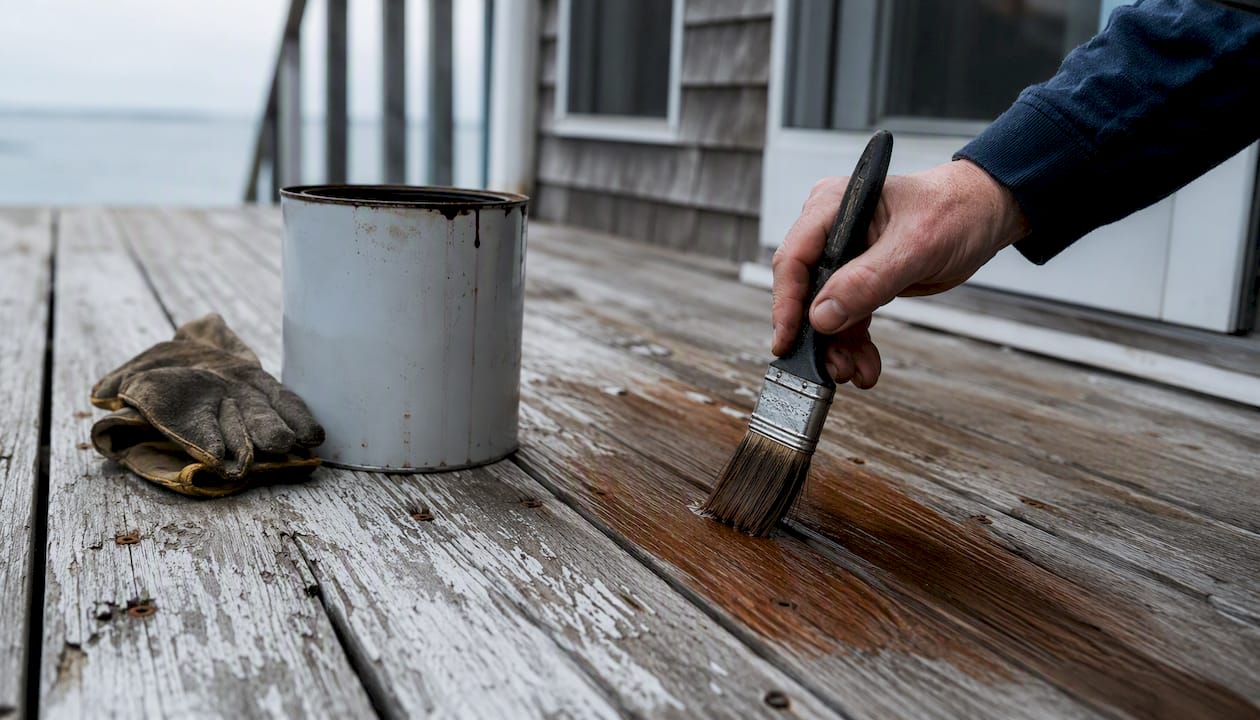
Outdoor furniture made from untreated metal rusts fast near salt water. Look for powder-coated aluminum, teak, or marine-grade wicker instead, and rinse cushions and frames after any period of heavy salt spray or storms. Store cushions indoors during hurricane season rather than leaving them to soak up moisture in an outdoor bin.
Grills suffer more from salt air than almost any other outdoor fixture, since the combination of heat, moisture, and metal components accelerates rust from the inside out. Cover your grill when not in use, clean grates after each use to prevent salt and grease buildup from combining, and check propane connections seasonally for corrosion.
Pest pressure also rises in coastal climates because insects and rodents seek out the moisture your home naturally attracts. Termite and general pest inspections once a year catch problems before they reach structural wood, particularly around deck posts and any wood-to-ground contact points. Sand and salt-tolerant vegetation near the foundation can also harbor pests if it's not trimmed back regularly, so keep a clearance zone between plantings and the exterior wall.
Long-Term Structural Monitoring for Foundations and Pilings
Foundations and pilings don't fail overnight. They shift gradually, and catching the early signs is the difference between a monitoring plan and a six-figure structural repair. Coastal soil moves differently than inland soil, especially in areas prone to erosion or fluctuating water tables, so settlement that would be minor elsewhere can be a bigger issue here.
Walk the foundation perimeter twice a year and look for new cracks, especially ones wider than a quarter inch or that run diagonally rather than straight. Check that doors and windows still open and close smoothly. Sticking or misaligned frames are often the first visible sign of foundation movement, showing up well before cracks appear anywhere else.
For homes on pilings, inspect the wood or concrete posts for visible rot, cracking, or corrosion at the point where they meet the ground or water. Salt water and constant wetting-and-drying cycles accelerate deterioration at that waterline zone faster than anywhere else on the piling. Retaining walls holding back dune sand or grade changes need the same attention. Look for bulging, leaning, or gaps opening between the wall and the soil behind it, which usually signals drainage isn't working the way it should.
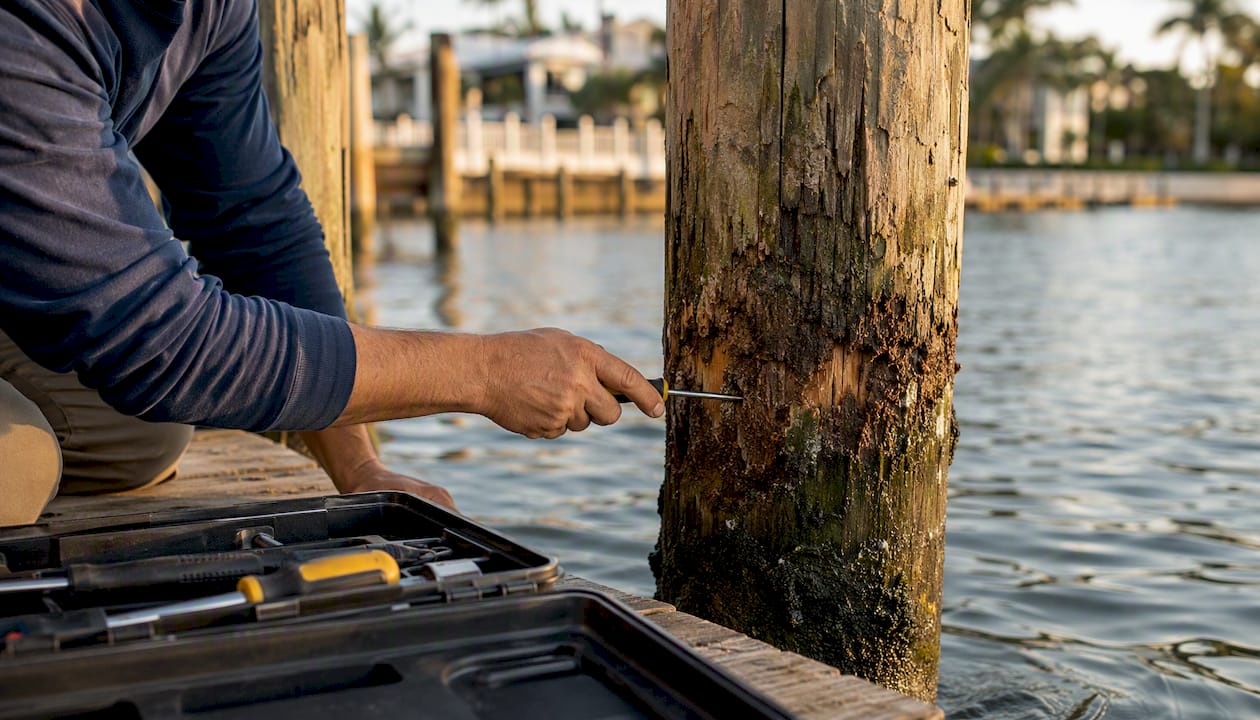
Bring in a structural engineer for a full assessment every few years if your property sits directly on pilings or a seawall, even if nothing looks obviously wrong. Recurring maintenance issues tend to compound quietly in coastal environments until an inspection catches them.
Stopping Water Intrusion Before It Starts
Mold prevention gets most of the attention, but water intrusion itself starts well before mold ever shows up. Flashing around roof penetrations, chimneys, and dormers is the single most common failure point, since it's a thin metal barrier doing a lot of work against wind-driven rain. Inspect flashing every six months for gaps, rust, or lifted edges, and reseal immediately if you spot daylight or feel movement.
Window and door seals are the next weak point. Caulk that looks intact from a distance often has micro-cracks that let wind-driven rain past the barrier during storms. Run a hand along every seal twice a year, feeling for soft or crumbling caulk rather than just looking at it. Replace with a manufacturer-approved sealant rated for exterior, UV-exposed conditions rather than a generic indoor product.
Stucco and siding penetrations, where pipes, wires, or vents pass through the wall, need the same scrutiny. A poorly sealed penetration is invisible until water has already worked its way into the wall cavity. Check attic spaces and crawlspaces for water staining, which shows up long before a visible interior leak does.
A moisture meter is a worthwhile investment for coastal homeowners doing their own inspections. Readings above normal baseline in wall cavities or subfloor areas flag hidden intrusion before it turns into a mold problem or rot. Preventing property damage starts with catching these small failures long before they show up as a stain on the ceiling.
Septic and Drainage Care in Coastal Environments
Septic and drainage systems face a threat inland homes never deal with: saltwater intrusion into the water table. High water tables common in coastal areas, especially during storm surge or seasonal flooding, can push saltwater into septic drain fields, disrupting the bacterial processes that break down waste and shortening the system's lifespan.
Have your septic tank pumped and inspected at least once every three years, more often if the property sees heavy seasonal use or sits in a low-lying area. Watch for slow drains, gurgling sounds, or standing water near the drain field, all early signs the system is struggling. After major storms or flooding, have the system checked before using it heavily again, since saturated drain fields can't process wastewater the way they normally do.
Grade the property so stormwater runoff moves away from both the septic system and the foundation. Standing water near a drain field is one of the fastest ways to saturate the soil and cause a backup. If your property connects to municipal sewer rather than a septic system, storm-driven inflow and infiltration can still overwhelm aging lines, so keep an eye out for slow drains or sewage odors after heavy rain events, and report them early rather than waiting for a backup.
A Practical Note From Managing Coastal Estates
Weekly inspections and anticipatory storm care consistently prevent the emergency repairs that erode both a home's condition and its resale value.
Let 30apropertycollective Handle the Weekly Details
Running through this checklist yourself is doable, but staying consistent with it every week, especially when you're not on-site, is where most homeowners fall behind. 30apropertycollective exists for exactly that gap: weekly inspections, vendor oversight, and documented digital reports that catch the salt buildup, the failing caulk line, or the loose flashing before it becomes a claim.

The service model covers storm preparation and post-storm assessments, HVAC and vendor coordination, and interior stewardship between visits, all built around the same priorities in this guide. If you'd rather have someone else run the checklist, explore the concierge services available for coastal estates, or set up a membership to start weekly inspections on your property.
Frequently Asked Questions
How much does coastal home maintenance typically cost per year?
Costs vary widely based on home size and how much work you handle yourself versus hiring out. Homeowners who keep up with routine rinsing and filter changes but hire professionals for annual roof, HVAC, and structural inspections typically spend less than those who defer maintenance and face storm damage repairs.
How often should I pressure wash a beach house?
Pressure washing is generally recommended seasonally, once after spring storms and again in fall, with more frequent cleaning in areas exposed to heavier salt spray.
Do coastal homes really need HVAC filters changed monthly?
Yes, coastal homes usually require more frequent HVAC filter changes than inland homes to prevent strain and premature system failure.
What's the first thing to check after a hurricane?
Start with the roof and flashing, then move to windows and doors, soffits and fascia, HVAC and electrical, and finally the foundation or pilings. Photograph damage before making any repairs, even temporary ones.
When should I hire an estate-management or home-watch service instead of doing it myself?
If you're an absentee owner, own during peak season, or keep dealing with recurring HVAC or moisture problems, weekly professional inspections usually cost less than the repairs they prevent.
Sources
- Home Maintenance Checklist – Handyman Jacksonville Florida
- Coastal Home Maintenance Surfside Beach Guide & Schedule
- Beach House Maintenance: Preventive Tips for Coastal Properties - Acentria