Your complete hurricane preparation checklist
The most critical step in hurricane preparation is acting before a storm is named. NOAA recommends completing your preparations well before June 1, when the Atlantic season officially opens, because supply shelves empty fast and flood insurance carries a mandatory 30-day waiting period before coverage takes effect.
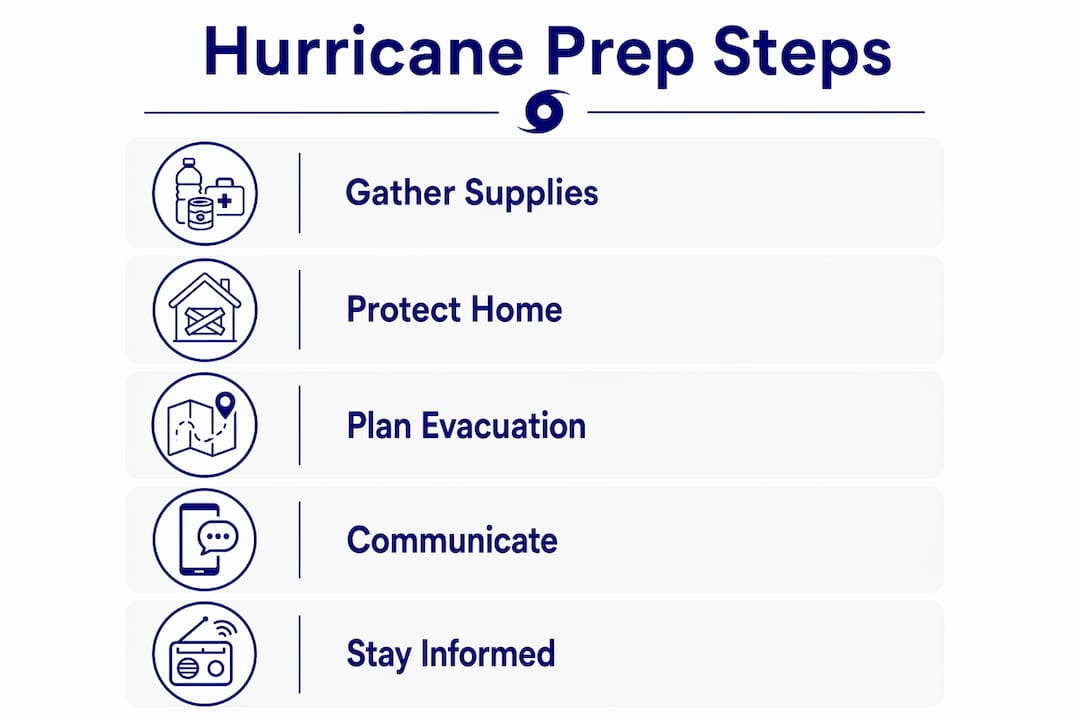
Here is the full checklist, organized by priority:
Emergency Supplies
- Store at least 1 gallon of water per person per day; power and water outages can stretch for weeks
- Pack a 3-day Go-Kit for evacuation and a 2-week Stay-at-Home Kit for sheltering in place
- Include a first aid kit, prescription medications, flashlights, and extra batteries
- Add a battery-powered or hand-crank NOAA Weather Radio
- Keep cash on hand since ATMs may be offline
Home Protection
- Reinforce garage doors or install wind-rated replacements
- Install storm shutters or pre-cut plywood for windows and doors
- Clear gutters and bring all loose outdoor items inside
- Trim trees with branches close enough to fall on the structure
- Turn off utilities if flooding begins or you evacuate
Evacuation and Documents
- Know your evacuation zone and map at least two exit routes
- Store IDs, insurance policies, medical records, and passports in a waterproof bag
- Identify pet-friendly shelters or accommodations in advance
- Fill your gas tank before a storm watch is issued
Communication
- Sign up for local emergency alerts and the FEMA app
- Write down emergency contacts on paper; do not rely solely on your phone
- Share your family communication plan with everyone in the household
## 1. How to build your emergency supply kit
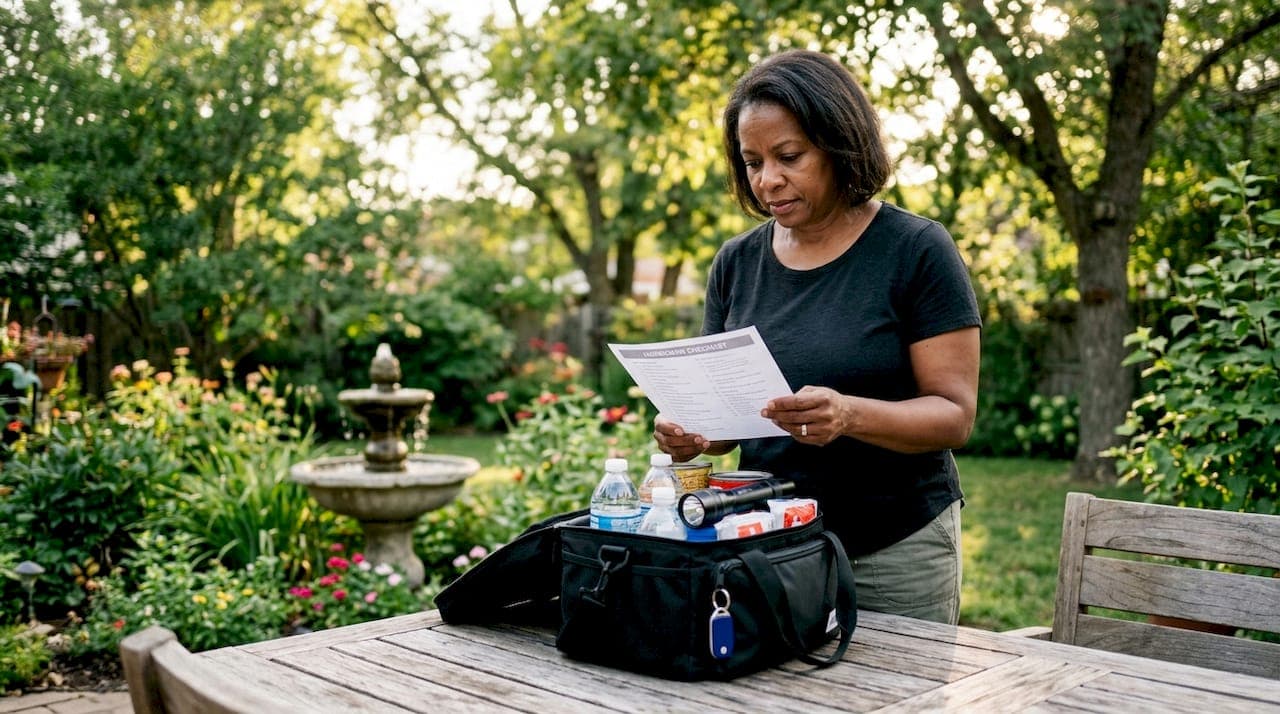
Red Cross guidelines draw a clear line between two separate kits: a 3-day Go-Kit you can carry out the door in minutes, and a Stay-at-Home Kit stocked for 14 days of isolation, per Red Cross minimum guidelines. Most homeowners build one general pile of supplies and call it done. That approach fails the moment roads flood and stores close for ten days straight.
Your Go-Kit should fit in a single bag or rolling case. Pack water, non-perishable food, a first aid kit, copies of critical documents in a waterproof bag, prescription medications, a phone charger and portable power bank, flashlights with extra batteries, and cash. The Stay-at-Home Kit expands on those basics with additional food and water, hygiene products, a manual can opener, and medication supplies in a child-proof container.
Special needs matter here. If anyone in your household uses a CPAP machine, hearing aids, or other powered medical equipment, include backup batteries and a charging plan in both kits. Pack baby supplies, pet food, and any mobility aids separately so nothing gets left behind in a rush.
Pro Tip: Store your Go-Kit near the door you would exit in an emergency, not in a closet across the house. Seconds count when an evacuation order drops at 2:00 AM.
## 2. Home protection measures before a hurricane strikes
Garage door failure is one of the most underestimated structural risks in a hurricane. When a garage door buckles under wind pressure, it creates a pressure surge that can lift the entire roof off the structure. If your door is not wind-rated, reinforce it with hurricane braces now, before the season starts, not the morning a watch is issued.
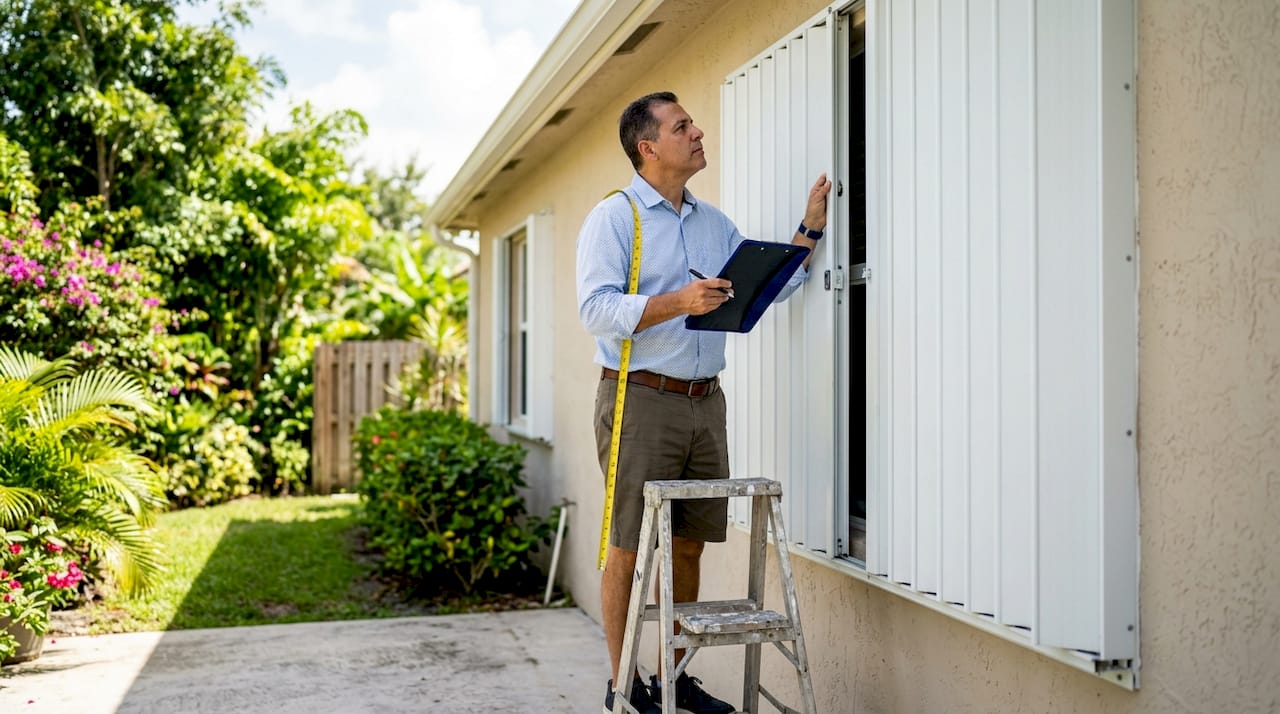
Windows and doors need protection too. Storm shutters are the most reliable option. Pre-cut plywood panels are a solid backup, but buy the lumber before June, when hardware stores run out within hours of a forecast. Clean gutters and secure every loose outdoor item: grills, patio furniture, garbage cans, and planters all become projectiles in 100-mph winds.
- Inspect the roof for loose shingles and repair them before the season
- Seal any exterior wall openings around pipes and vents
- Elevate water heaters, electrical panels, and appliances in flood-prone areas
- Consider a sump pump with battery backup for low-lying properties
Pro Tip: Walk through your home on video before hurricane season, capturing serial numbers, furniture, and valuables room by room. That footage dramatically speeds up insurance claims after a storm.
## 3. Evacuation routes, shelter plans, and pet safety
Never stay home to protect property when authorities issue an evacuation order. Even well-built homes can fail under hurricane-force winds and storm surge. The decision to leave should be made early, before traffic gridlocks every route out of town.
Map at least two evacuation routes from your home and identify shelters along each one. Your destination does not need to be far. A friend or relative in a sturdy home outside the flood zone works perfectly. If you do not own a vehicle, contact your local emergency management office now to learn what transportation options exist before a storm threatens.
- Pack your Go-Kit and only what you genuinely need: medications, IDs, chargers, and cash
- Unplug appliances and shut off gas, electricity, and water before leaving
- Never drive through flooded roads; moving water can sweep a car away in as little as 6 inches
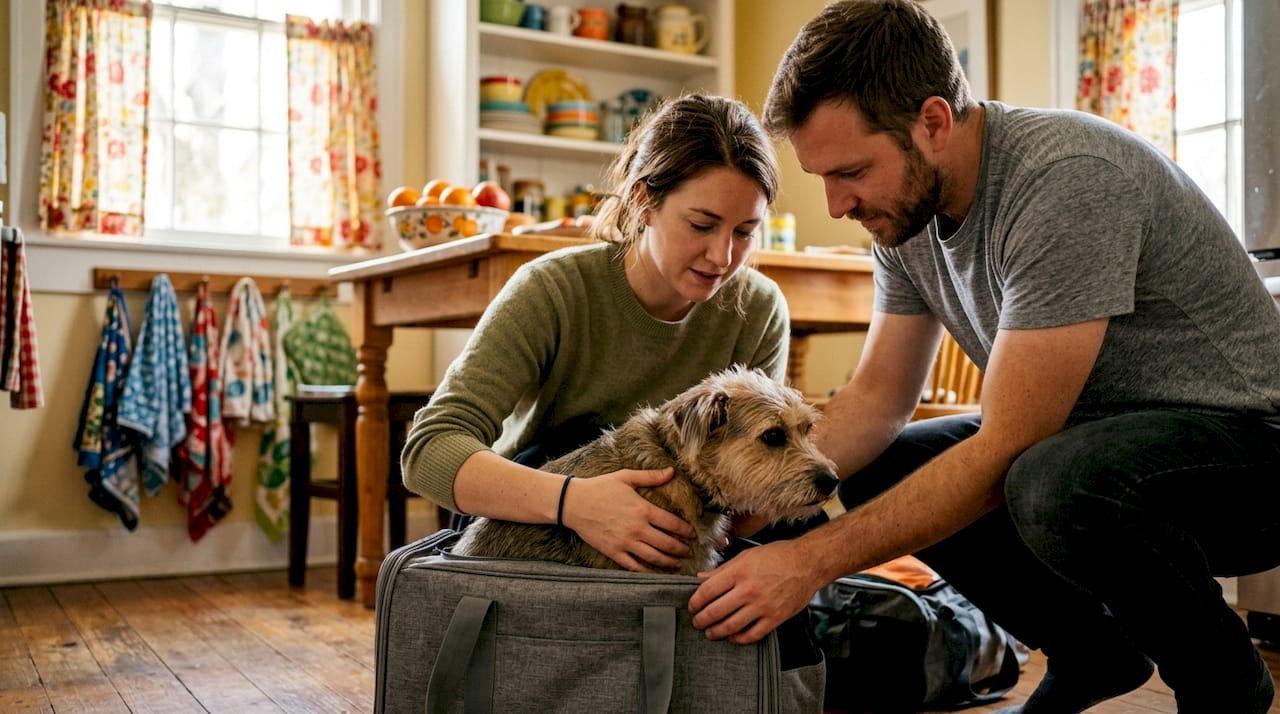
- Pre-identify pet-friendly hotels or shelters, since many public shelters do not accept animals
- Bring carriers, food, water, leashes, and your pet's vaccination records
If sheltering in place, stay in a small interior room with no windows on the lowest level that is not likely to flood. Stay inside even when conditions seem calm. The eye of a hurricane passes quickly, and dangerous winds return.
## 4. Communication, safety skills, and staying informed
Reliable communication during a hurricane depends on preparation you do weeks before the storm. Sign up for emergency alerts through your local government, download the FEMA app for real-time National Weather Service notifications, and register for the Emergency Alert System and Wireless Emergency Alerts, which require no setup at all.
Battery-powered and hand-crank radios are not optional. Cell towers go down, internet fails, and a NOAA Weather Radio may be your only source of accurate updates for days. Keep a written list of emergency contacts, including utilities and local emergency management, stored in your Go-Kit. Do not rely on a phone that may be dead.
- Learn basic first aid and CPR before the season starts
- Know the difference between a hurricane watch (conditions possible, 48 hours out) and a hurricane warning (storm expected, 36 hours out)
- Stay away from windows during the storm; shelter in an interior room or closet
- After the storm, watch for downed power lines, contaminated water, and structural damage before re-entering your home
- Check on neighbors, especially older adults or those with disabilities, once it is safe to do so
## 5. How 30apropertycollective supports hurricane readiness on the Emerald Coast
Preparing your home for hurricane season looks different when the property sits vacant for months at a time. That is the reality for many luxury estate owners along Florida's 30A corridor, and it is exactly where 30apropertycollective's services fill a gap that a standard checklist cannot.
30apropertycollective conducts weekly property inspections and delivers digital condition reports, so owners know the exact state of their estate before a storm approaches. Pre-storm assessments cover everything from securing outdoor furniture and checking storm shutters to coordinating licensed contractors for any urgent repairs. After the storm, the team performs post-storm walkthroughs and documents any damage with the same video-based approach the Red Cross recommends for insurance claims.
- Concierge services handle grocery stocking, housekeeping, and arrival preparation so properties are ready the moment owners return
- Vendor and contractor oversight removes the burden of sourcing reliable help after a storm when demand spikes
- Smart home system monitoring catches issues like water intrusion or power failures in real time
- Membership plans range from Essential to Estate tiers, covering ongoing inspections through the full hurricane season
Pro Tip: Specialized hurricane preparedness consulting and CPR training are available through professional emergency readiness providers. Pairing that training with a managed property service means both the people and the property are covered.
30apropertycollective's concierge team can coordinate pre-season storm preparation, post-storm recovery, and everything in between, so Emerald Coast homeowners are never managing a crisis from a distance.

Key Takeaways
A complete hurricane preparation checklist covers supplies, home protection, evacuation planning, communication, and professional property oversight, all completed before June 1 when the Atlantic season begins.
| Point | Details |
|---|---|
| Start before June 1 | Flood insurance requires a 30-day waiting period; supplies and plywood sell out fast once a storm is forecast. |
| Two-kit system | Pack a 3-day Go-Kit for evacuation and a 2-week Stay-at-Home Kit for isolation, following Red Cross guidelines. |
| Water quantity | Store at least 1 gallon of water per person per day; outages can last weeks, not days. |
| Garage door first | Reinforcing the garage door is the single most effective structural step, since failure can cause the entire roof to lift. |
| Evacuate when ordered | Staying home to protect property is never worth the risk; follow local evacuation orders immediately. |