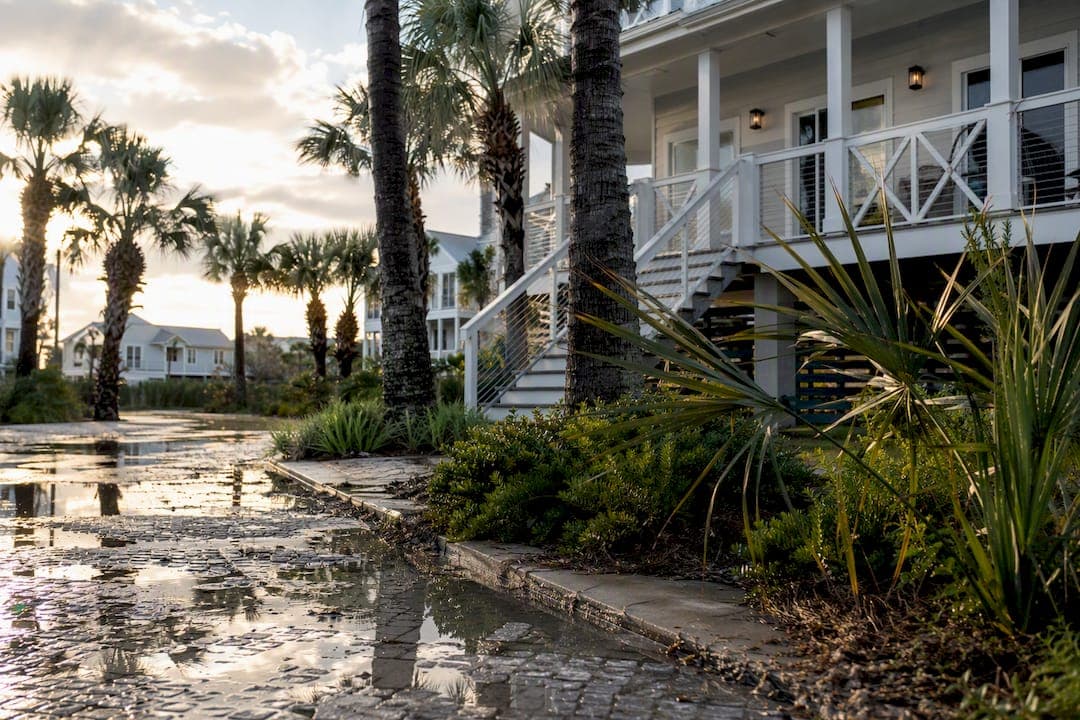
Yes, most second and vacation homes need a separate flood insurance policy, and standard homeowners insurance will not pay for flood damage. If your property sits in a mapped high-risk zone or carries a mortgage, your lender will likely require it outright. The National Flood Insurance Program (NFIP), run through FEMA, caps building coverage at $250,000 and contents at $100,000 for a single-family home.
- Check your flood zone on the FEMA Flood Map Service Center before you do anything else.
- Ask your lender or agent whether coverage is mandatory for your address.
- If your home's value exceeds NFIP limits, start pricing private flood insurance now.
Key Takeaways
Flood insurance for a second home almost always requires a separate policy, and choosing between NFIP and private coverage depends on your home's value, flood zone, and rental use.
| Point | Details |
|---|---|
| Standard policies exclude flood | Homeowners insurance never covers flood damage; a dedicated flood policy is required. |
| Know your NFIP limits | NFIP caps building coverage at $250,000 and contents at $100,000 for single-family homes. |
| Waiting periods matter | NFIP typically imposes a 30-day wait; private policies often start coverage sooner. |
| Rental income isn't covered by NFIP | Loss of rents requires a private endorsement or supplemental product. |
| Estate management reduces risk | 30A Property Collective's inspections and storm prep help document condition and speed claims. |
Table of Contents
- Do You Actually Need Flood Insurance for a Second Home?
- NFIP vs. Private Flood Insurance: Which Fits a Vacation Home?
- What Does Flood Insurance Actually Cover on a Second Home?
- What Drives the Cost of Flood Insurance for a Second Home?
- How Renting Out or Leaving a Second Home Vacant Changes Coverage
- How to Buy Flood Insurance for a Second Home, Step by Step
- Practical Ways to Lower Your Flood Insurance Premium
- Reduce Flood Risk Before It Becomes a Claim
- Sources
Do You Actually Need Flood Insurance for a Second Home?
Lenders, not FEMA, are usually the ones forcing the issue. If your second home sits in a Special Flood Hazard Area (SFHA) and carries a mortgage from a federally regulated lender, that lender must require flood coverage as a condition of the loan. Pay off the mortgage or buy in cash, and the legal requirement disappears, but the flood risk does not.
You can confirm your zone status through the FEMA Flood Map Service Center, which shows whether your parcel falls in a high-risk zone (A or V designations) or a moderate-to-low-risk area. Zone status alone doesn't tell the whole story, though. A property just outside the mapped SFHA can still flood, and insurers increasingly price risk using more granular flood models than FEMA's zone maps alone.
Occupancy matters too. A second home that sits empty for months has different risk exposure than one occupied year-round, and insurers often ask directly about vacancy periods and rental activity when underwriting a policy.
- Mortgaged property in an SFHA: flood insurance is mandatory.
- Property outside the SFHA but near water: not required, but often smart.
- Frequently vacant property: expect underwriting questions about occupancy.
- Short-term rental use: may require disclosure and could affect eligibility.
Pro Tip: Call your local floodplain management office before buying anything. Many communities already have an Elevation Certificate on file for older homes, which can save you the cost of ordering a new survey and may unlock a better rate.
NFIP vs. Private Flood Insurance: Which Fits a Vacation Home?
The NFIP is available almost everywhere in the U.S. and remains the default choice for second-home owners who just need to satisfy a lender requirement. Coverage tops out at $250,000 for the building and $100,000 for contents, and most NFIP policies carry a 30-day waiting period before coverage takes effect. For non-primary residences, the NFIP often settles contents claims on an Actual Cash Value (ACV) basis rather than full replacement cost, which matters if your vacation home is furnished with anything newer or higher-end.
Private flood insurance flips several of those constraints. Private carriers can offer higher coverage limits, replacement cost value settlements, and additional living expense coverage, features the NFIP generally does not include. Waiting periods are often shorter, sometimes as little as ten days, which matters if a storm is already forecast. The tradeoff: private availability varies by carrier and region, and insurers can nonrenew or cancel coverage in the highest-risk areas, something that rarely happens with the federally backed NFIP.
| Factor | NFIP | Private Flood |
|---|---|---|
| Coverage limits | $250,000 building / $100,000 contents | Often higher, insurer-dependent |
| Waiting period | Typically 30 days | Often shorter, varies by carrier |
| Availability | Nationwide | Varies by region and risk |
| Best for | Meeting lender mandates, basic protection | High-value homes, faster coverage needs |
- If your home's replacement cost exceeds NFIP limits, layer private excess coverage on top of a base NFIP policy.
- Think twice before dropping NFIP coverage entirely. Grandfathered or subsidized NFIP rates can be difficult to recover if you return to the program later.
What Does Flood Insurance Actually Cover on a Second Home?
Coverage splits into two buckets: the building itself and its contents. NFIP building coverage handles structural elements, electrical and plumbing systems, and built-in appliances. Contents coverage protects furniture, electronics, and personal belongings, but NFIP typically pays out contents claims for non-primary residences using ACV rather than the replacement cost you'd get on a primary home policy.
Exclusions catch a lot of owners off guard. Most basement and below-grade contents aren't covered under standard NFIP terms, and detached structures like decks, pools, and seawalls often fall outside base coverage or need separate endorsements. Private flood forms sometimes offer broader definitions here, including basement finishes and mechanical equipment, but you have to ask specifically.
- Furniture, electronics, and seasonal gear in a rarely visited vacation home sit exposed if the policy lapses or excludes contents.
- A vacant second home has nobody around to spot a slow leak or rising water early, which often means more extensive damage before anyone notices.
- Ask about "other structures" coverage separately from the main dwelling policy.
Statistic Callout: NFIP caps building coverage at $250,000 and contents at $100,000 for any single-family home. On a $600,000 coastal vacation property, that gap is exactly the kind of shortfall private excess coverage is built to close.
What Drives the Cost of Flood Insurance for a Second Home?
Flood zone designation is the biggest single factor. A home mapped in Zone V, the high-velocity coastal zone, will cost meaningfully more to insure than one in a moderate-risk zone further inland. Elevation matters almost as much: your home's First Floor Height relative to the base flood elevation determines much of your NFIP premium.
An Elevation Certificate documents that height and can unlock rating discounts, particularly in Zones A and V where lenders and insurers ask for one directly. Communities that participate in FEMA's Community Rating System (CRS) can pass along additional discounts to homeowners.
- Flood zone and base flood elevation set your starting rate.
- An Elevation Certificate can shift your premium significantly if your home sits above the minimum required height.
- NFIP's Risk Rating 2.0 applies a non-primary residence surcharge that pushes second-home premiums higher than equivalent primary-residence policies.
- Prior claims history on the property affects both NFIP and private pricing.
How Renting Out or Leaving a Second Home Vacant Changes Coverage
Short-term rental activity changes how insurers classify your risk, and it can open gaps you won't discover until you file a claim. The NFIP does not pay for loss of use or loss of rental income under any circumstance, full stop. If a flood shuts down your rental for two months, that lost income is on you unless you've secured separate coverage.
- Disclose rental activity to your insurer. Undisclosed business use is a common reason claims get denied.
- Extended vacancy periods can trigger coverage limitations on some private policies, so read the fine print on unoccupancy clauses.
- Private endorsements or supplemental revenue-protection products can fill the loss-of-rents gap that NFIP leaves wide open.
Pro Tip: If your second home generates real rental income, do not assume your flood policy protects that revenue. Ask specifically for an endorsement that covers loss of rents, or price a standalone revenue-protection product alongside your flood policy.
How to Buy Flood Insurance for a Second Home, Step by Step
Buying coverage for a vacation property follows a fairly predictable sequence, and skipping steps usually costs you money later.
- Confirm your flood zone through the FEMA Flood Map Service Center and find out whether your lender requires coverage.
- Contact your local floodplain manager to see if an Elevation Certificate already exists for the property, or order one if it doesn't.
- Request an NFIP quote through an agent or floodsmart.gov, and get at least one private-market quote to compare limits, waiting periods, and settlement terms (RCV versus ACV).
- Lock in your effective date, keeping in mind the standard 30-day NFIP waiting period unless you qualify for an exception like a loan closing.
- Compare NFIP and private quotes side by side before choosing, since coverage terms differ more than most owners expect.
- Ask both carriers about basement coverage, ALE, and loss-of-rents endorsements specifically. None of these come standard on every policy.
Pro Tip: Hand your Elevation Certificate and any documented storm mitigation work directly to underwriters when requesting quotes. It's one of the fastest ways to see a lower number on your renewal.
Practical Ways to Lower Your Flood Insurance Premium
Physical mitigation and paperwork both move the needle on price. Raising a home's first floor, elevating HVAC and electrical systems, and installing flood vents in enclosed lower levels are the changes that most directly affect your rating. None of these are cheap, but for owners planning renovations anyway, they're worth timing around a flood policy renewal.
- Order an Elevation Certificate if you don't have one, and check whether your community participates in the Community Rating System for automatic discounts.
- Keep stored items out of below-grade spaces where NFIP coverage is thin or nonexistent.
- Document routine maintenance and property condition consistently. Underwriters respond well to a documented history of proactive care.
Pro Tip: Build a pre-storm checklist with your insurance agent and whoever manages your property day to day. Coordinated prep reduces both your flood risk and the friction you'll face if you ever need to file a claim.
Why Estate Management Matters for Second-Home Flood Risk
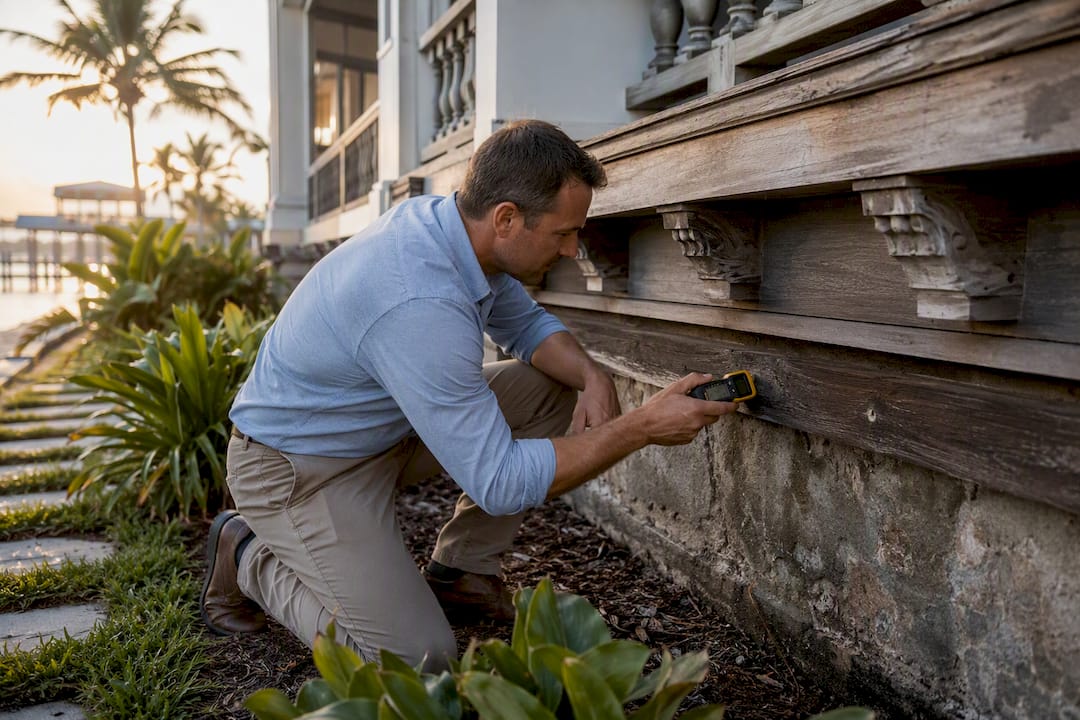
A vacant second home is a liability from an underwriting standpoint, and it's exactly where estate management earns its keep. Weekly inspections and digital condition reports create the documentation trail insurers and adjusters want to see, and storm-preparation routines catch small vulnerabilities before they become six-figure claims. 30A Property Collective's approach to proactive care, including home watch services for vacant properties, addresses the exact occupancy gap that insurers worry about most.
Reduce Flood Risk Before It Becomes a Claim
30A Property Collective is the practical answer to the vacancy problem that makes flood insurers nervous about second homes. Weekly inspections catch a slow leak or a failing sump pump before it becomes a five-figure loss, and detailed digital reports give you (and your insurer, if needed) a documented history of your property's condition.

Storm season on the Emerald Coast doesn't wait for a convenient time, and neither should your prep work. The team coordinates pre and post-storm assessments, manages vendor and contractor oversight for mitigation projects like flood vent installation or utility elevation, and produces the kind of documentation that speeds up claims handling instead of slowing it down. If a claim ever does get contested, having accurate records of storm damage matters as much for flood claims as it does for wind and roof claims. Visit the concierge and estate management page to see which service tier fits your property and get a customized proposal started.
Sources
Confirm your zone through the FEMA Flood Map Service Center and review Elevation Certificate guidance from FloodSmart. Bring your flood map panel number and any existing Elevation Certificate to your agent or lender before requesting quotes.
- Agents
- Buy a policy — FloodSmart
- Congressional Research Service report: Flood Insurance issues and private market trends (R45242)
This article is general information, not a substitute for advice from a qualified financial advisor. Consult a qualified financial professional about your own circumstances before acting on anything here.