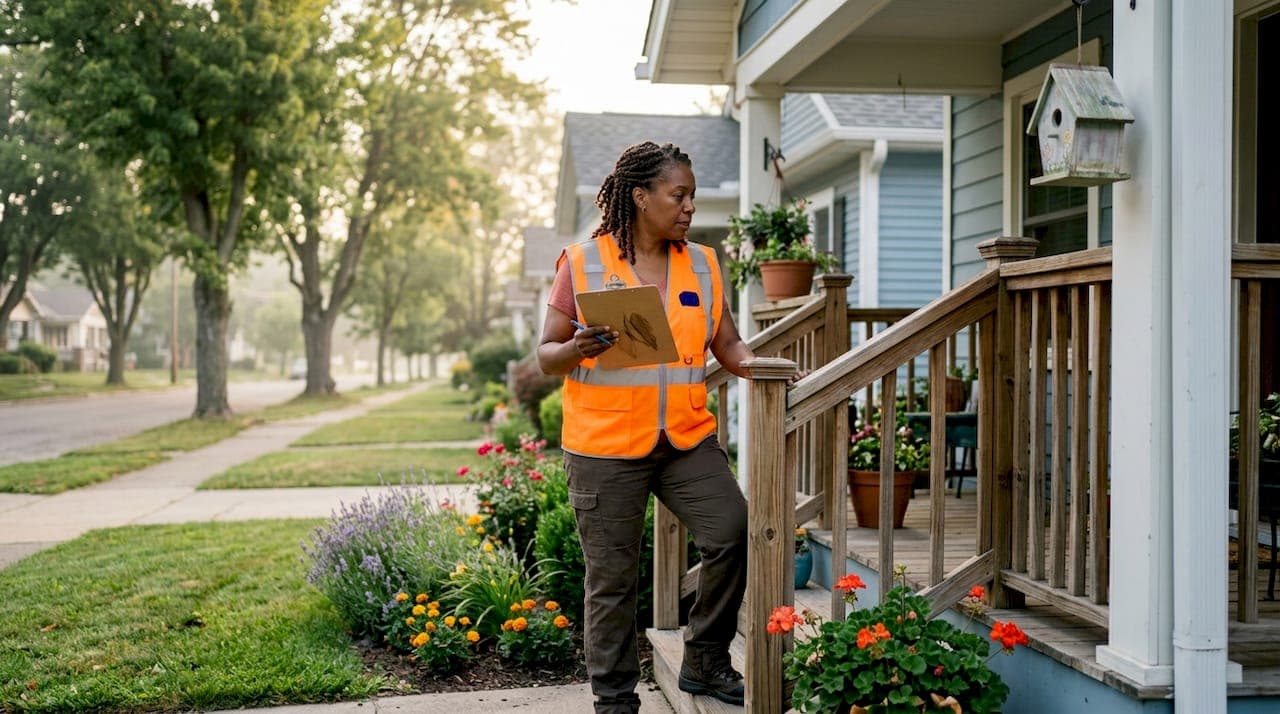
What are home watch services and why do you need them?
Professional home watch services are scheduled visual inspections of unoccupied or vacant properties, performed by trained professionals while the owner is away. The National Home Watch Association (NHWA) defines the core task plainly: looking for obvious issues before they become expensive ones. That means checking HVAC systems, plumbing, appliances, windows, and security, not just driving past the driveway.
Home watch is not house-sitting, and it is not a security service. A security company monitors for intrusion. A house-sitter lives in the space. A home watch professional conducts structured, documented inspections and acts as your local point of contact for anything that goes wrong. The distinction matters because alarm systems and cameras miss slow leaks, mold growth, pest infestations, and appliance drips that only a trained eye and nose catch in person.
For snowbirds, vacation property owners, and anyone leaving a home vacant for weeks or months, these inspections are also an insurance requirement in practice. Most standard homeowner policies include vacancy clauses that limit or void coverage once a home sits unoccupied without documented care.
A typical home watch visit covers:
- Interior and exterior walk-through following a structured checklist
- Visual checks for water leaks, mold, storm damage, and pest activity
- Confirmation that HVAC, plumbing, and appliances are functioning
- Inspection of doors, windows, and entry points for security
- Mail and package collection to avoid signaling vacancy
- Homeowner notification with photos if any issue is found
How do home watch inspections actually work?
Every credible provider builds visits around a custom checklist tailored to your property's specific risks, whether that means hurricane shutters on the Gulf Coast or frozen pipe exposure in the Mid-Atlantic. The inspector walks the interior and exterior on a set schedule, weekly or biweekly for most clients, and documents everything with timestamped, photo-verified reports delivered digitally after each visit.
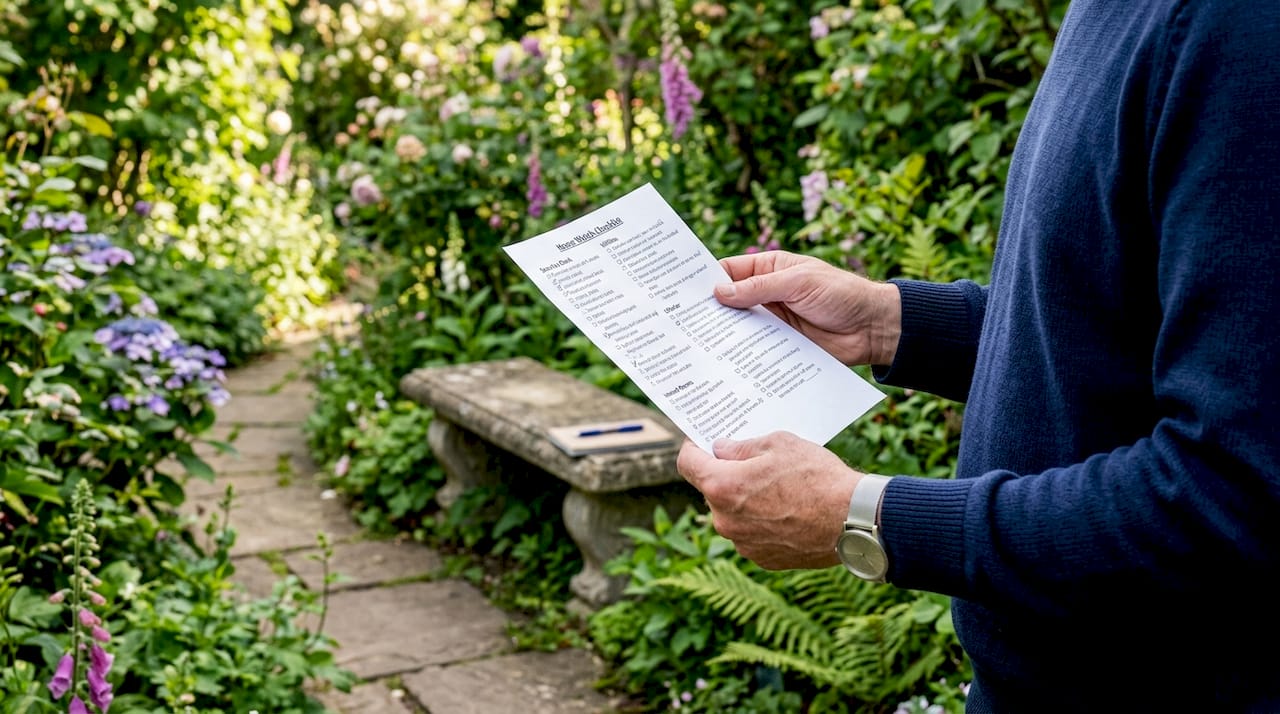
Home watch professionals also act as your local advocate, coordinating licensed vendors and emergency services when something needs attention. If the AC fails or a pipe bursts between visits, they respond, document the situation, and manage contractor access so the problem does not compound while you are 1,000 miles away.
Accountability is where technology separates serious providers from casual ones. GPS-enabled, timestamped digital reporting confirms the inspector was physically present at your property, not just checking a box remotely. The report becomes a permanent, dated record you can share with your insurer or HOA.
Pro Tip: Ask any prospective provider which reporting platform they use and whether it includes GPS verification. A provider who cannot show you a sample report with timestamps and location data is one to avoid.
- Structured checklists customized per property
- Timestamped, photo-documented reports after every visit
- GPS-verified software confirming on-site presence
- Vendor and contractor coordination on your behalf
- Immediate homeowner notification for any issue found
What are the real benefits of regular property inspections?
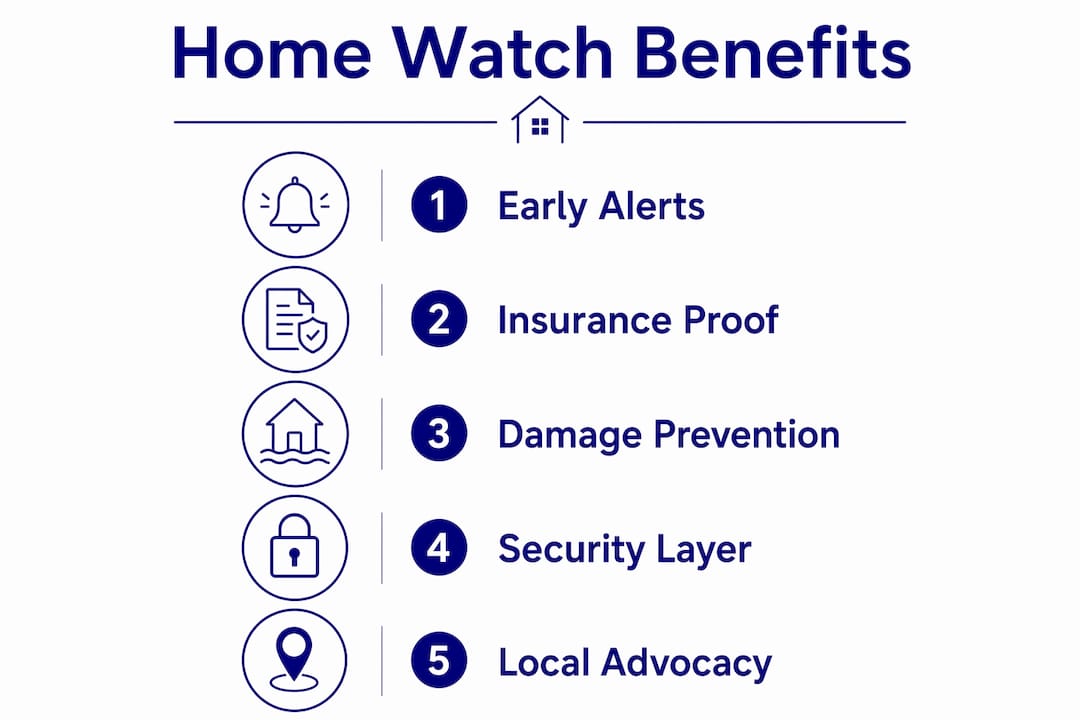
The clearest benefit is catching small problems before they become large ones. A slow drip under a sink costs almost nothing to fix when caught early. Left undetected for two months in a vacant home, it can produce mold, rot subflooring, and trigger a five-figure remediation bill. The same logic applies to HVAC failures, pest entry points, and storm damage that worsens with every rain.
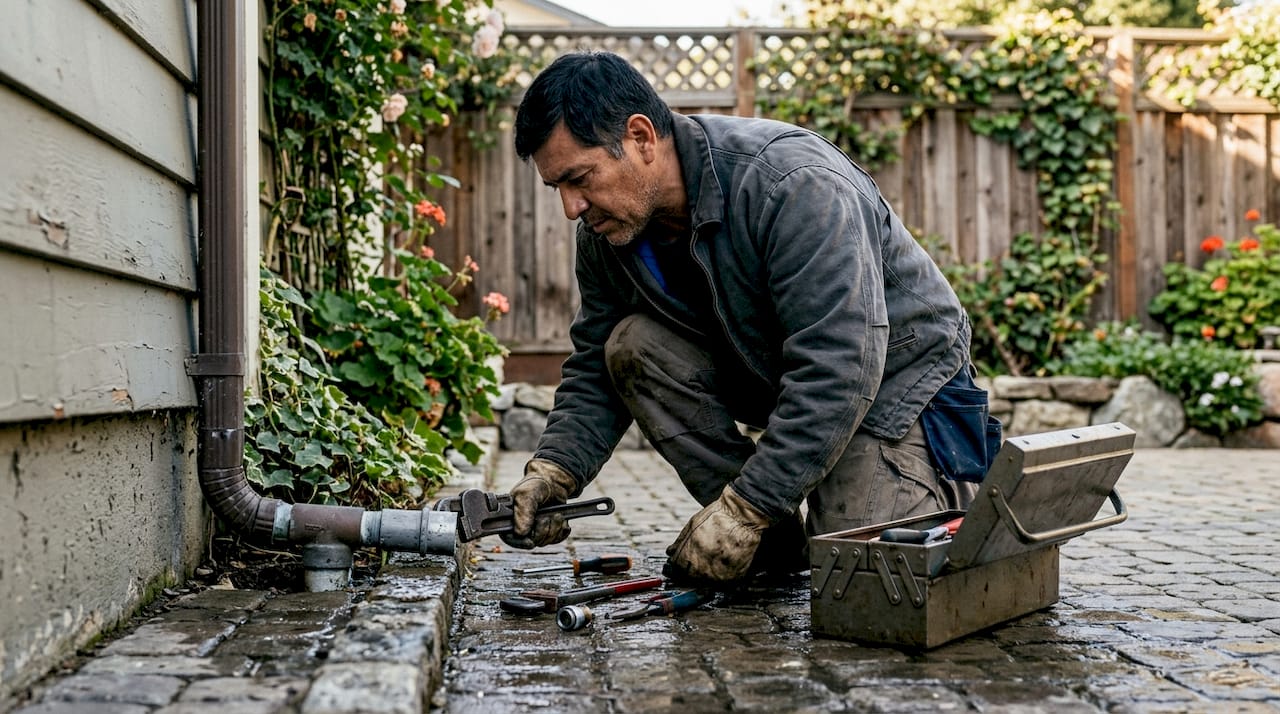
Documented inspections also keep your insurance coverage intact. Insurers require proof that a vacant home is being actively cared for, and a professional home watch report provides exactly that paper trail. Without it, a claim filed after a vacancy period can be denied outright.
Beyond the financial protection, there is the security layer. Mail piling up, unlit windows, and an untouched driveway all signal to opportunists that no one is home. A regular inspection presence, combined with mail collection and occasional interior lighting checks, removes those signals. For vacation and second-home owners, that peace of mind is often the deciding factor.
Comparing top accredited home watch providers in the US
Three providers stand out for distinct reasons across different regions and client needs.
| Provider | Service Offerings | Specializations | Accreditations | Technology | Service Area | Rating |
|---|---|---|---|---|---|---|
| Gardens Home Management Services | Home watch, estate management, handyman, landscaping, pool care, pressure washing, hurricane prep, window washing, interior cleaning | Full-service property maintenance beyond inspections | Not publicly listed | Not publicly listed | Palm Beach, FL | 5★ (100 reviews) |
| Homewatch Services Etc Inc | Home watch inspections, concierge, maintenance coordination, hurricane prep and recovery | Risk mitigation, GPS-enabled checklists, licensed hurricane coordination | Not publicly listed | GPS-enabled electronic checklist software | Southwest Florida | 5★ (80 reviews) |
| Golden Rule Home Watch | Home watch, concierge services | Hi-Tech Hi-Touch inspection system, CarWatch monitoring, NHWA training instruction | NHWA Certified (CHWP), NHWA Advisory Board Member | State-of-the-art inspection technology, CarWatch system | Northern Virginia / Washington metro | — |
Gardens Home Management Services covers the widest range of physical maintenance tasks of any provider on this list. Beyond the standard inspection checklist, they handle handyman work, landscaping, pool and spa maintenance, pressure washing, and interior cleaning, making them a practical choice for Palm Beach homeowners who want a single point of contact for all property upkeep, not just periodic checks.
Homewatch Services Etc Inc is the strongest option for absentee owners in Southwest Florida who face real hurricane risk. The family-owned company uses GPS-enabled software for electronic checklist reports and coordinates licensed professionals for hurricane preparation and post-storm recovery. Their risk mitigation focus is built around the specific vulnerabilities of Florida coastal properties.
Golden Rule Home Watch carries the most formal credentials of the three. Holding NHWA certification as a Certified Home Watch Professional (CHWP) and serving on the NHWA Advisory Board, the company brings both verified training and industry-level expertise to Northern Virginia clients. Their CarWatch monitoring system and Hi-Tech Hi-Touch approach reflect a technology-first philosophy that suits property owners who want verifiable, detailed documentation above all else.
How to choose a trusted home watch provider
Start with accreditation. NHWA-accredited providers have passed background checks, carry active insurance, and operate under a formal code of ethics. That vetting process is the baseline, not a bonus. A provider who cannot confirm bonded and insured status should not hold your keys.
Beyond credentials, look at how they report. Ask to see a sample inspection report. It should include timestamped photos, GPS verification, and specific notes, not a generic checklist with checkmarks. The report is your evidence for insurance purposes and your window into what actually happened during the visit.
Key questions to ask before hiring:
- Are you NHWA-accredited or CHWP certified?
- Do you carry liability insurance and bonding? Can I see the certificate?
- Have all employees passed background checks?
- What reporting platform do you use, and does it include GPS verification?
- How do you handle emergencies between scheduled visits?
- Do you coordinate licensed vendors, or do you just notify me of problems?
- What is your experience with local risks like hurricanes, humidity, or freeze events?
Red flags to watch for: vague or verbal-only reporting, no references available, inability to show proof of insurance, and providers who cannot explain their inspection protocol in specific terms.
What do home watch services typically cost?
Pricing varies by visit frequency, property size, and service scope. Providers in Southwest Florida, for example, offer bi-weekly inspection plans starting around $100 per month, with weekly visits and full vendor coordination running closer to $200 per month. In markets like Rochester, NY, per-visit pricing for standard checks is generally in the low to mid double-digit dollar range for average-sized homes.
Providers who bundle concierge services, hurricane preparation, and maintenance coordination into tiered monthly plans tend to generate more stable revenue and offer clients better value than per-visit-only models. From a homeowner's perspective, the math is straightforward: a monthly inspection plan costs far less than a single mold remediation or water damage repair.
Accreditation and technology investment do affect price. A NHWA-certified provider using GPS-verified reporting software carries higher operating costs than an uncredentialed competitor, and that difference shows up in the quote. For most property owners, it is a worthwhile premium.
What professional standards govern this industry?
The NHWA has set the benchmark for professional home watch since 2009. The organization issues two distinct credentials: accreditation at the business level and the Certified Home Watch Professional (CHWP) designation for individual practitioners. To earn accreditation, a company must carry verified insurance, pass background checks, and meet ethics compliance requirements. The CHWP certification goes further, requiring practical experience, regional training, and a formal examination.
These standards exist because the industry has no government licensing requirement in most states. Without NHWA accreditation, anyone can call themselves a home watch provider. The credential is the only reliable signal that a provider has been vetted by an independent body with defined standards.
Insurance and liability considerations for homeowners and providers
Your homeowner's insurance policy almost certainly contains a vacancy clause. Most standard policies limit or void coverage once a property sits unoccupied for 30–60 consecutive days without documented evidence of regular professional care. A professional home watch provider's written reports, delivered digitally after every visit, create the timestamped documentation an insurer needs to honor a claim.
Providers carry their own liability insurance and bonding to protect homeowners if something goes wrong during a visit. Before signing any agreement, request the certificate of insurance directly. A reputable provider hands it over without hesitation. If a provider hedges on this, that is your answer.
Where are home watch services available across the US?
Home watch coverage is strongest in markets with large seasonal or second-home populations. Florida leads by volume, with providers concentrated in Southwest Florida (Naples, Fort Myers, Cape Coral, Sarasota), Palm Beach, and the Emerald Coast. The Washington, DC metro area, Greater Rochester, NY, and Dallas, TX also have established providers serving absentee and vacation homeowners.
The NHWA maintains a national directory of accredited members searchable by location, which is the most reliable way to find a vetted provider near your property. Coverage in rural or less-populated areas can be thin, so searching early, before your departure date, gives you time to vet options properly.
30apropertycollective: luxury estate care along Florida's Emerald Coast
If you own a property along Florida's Emerald Coast and want something beyond a standard inspection checklist, 30apropertycollective operates as a dedicated estate partner rather than a periodic visitor. Their estate management services include weekly inspections with digital reports, storm preparation and post-storm assessments, smart home system monitoring, vendor and contractor oversight, and full arrival and departure preparation.

Where most home watch providers handle inspections and flag issues, 30apropertycollective coordinates the resolution too, from utility management to private chef scheduling and holiday decorating. Their concierge services are structured around three recurring membership tiers: Essential, Signature, and Estate, so the level of care scales with what your property actually needs. For Emerald Coast homeowners who want their estate maintained as if they never left, that model is a different category of service entirely.
Key Takeaways
The most effective home watch strategy combines NHWA-accredited providers, GPS-verified reporting, and a service scope matched to your property's specific risks and location.
| Point | Details |
|---|---|
| Accreditation is the baseline | Only hire NHWA-accredited providers who carry verified insurance and have passed background checks. |
| Documentation protects your coverage | Timestamped, photo-verified reports satisfy vacancy clauses and support insurance claims after damage. |
| Technology confirms real visits | GPS-enabled reporting platforms verify the inspector was physically present, preventing superficial checks. |
| Cost reflects scope and credentials | Bi-weekly plans start around $100/month in Florida. Weekly full-service plans with more vendor coordination and services cost more, especially for larger properties. |
| 30apropertycollective for Emerald Coast estates | Offers weekly inspections, concierge coordination, and tiered membership plans for Florida's Emerald Coast homeowners. |