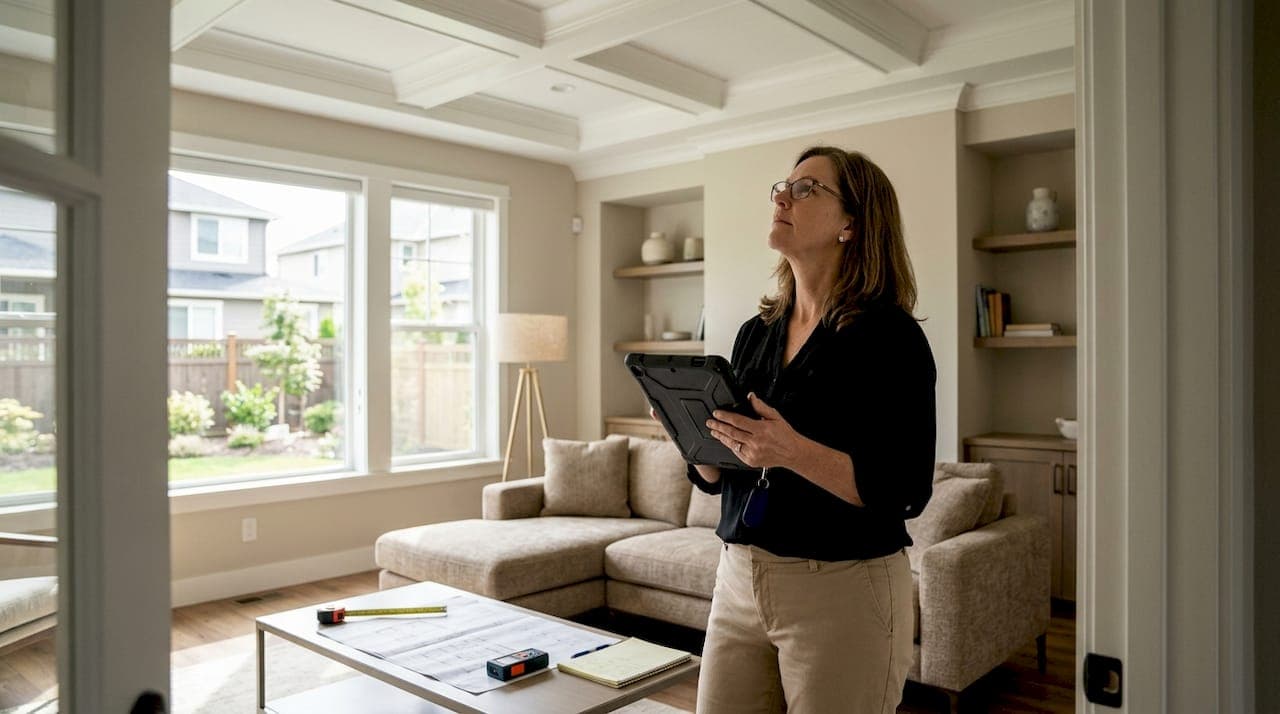
What is a digital home inspection?
A digital home inspection uses mobile apps, AI-powered platforms, and virtual walkthrough tools to evaluate a property's condition, producing a timestamped, photo-documented report you can share with insurers, lenders, or buyers the same day. The industry term you'll see from credentialing bodies like InterNACHI and ASHI is "digital property inspection," and it covers everything from a licensed inspector's field-to-office workflow to a homeowner's DIY condition report captured on a smartphone.
What separates a digital inspection from a traditional one isn't just paperwork speed. Reports include geotagged photos, digital signatures, and structured checklists tied to recognized standards, which makes them legally defensible records in disputes and insurance claims. Compliance-driven platforms pull templates matched to InterNACHI, ASHI, and state-specific requirements, so every report is audit-ready from the moment you hit submit.
Key components of a digital property inspection:
- Mobile app data capture: photos, video, voice notes, and checklists recorded room by room
- AI defect detection: automatic flagging of water damage, cracks, mold, and electrical hazards
- Timestamped and geotagged photos: tied to each finding for legal and insurance use
- Digital signatures: both parties sign on-device, creating a binding record
- Cloud-synced reports: delivered to clients, insurers, or lenders within hours
How digital home inspections actually work
The workflow is simpler than most homeowners expect. An inspector or homeowner opens a mobile app, selects a property template, and walks through the home room by room. Photos and voice notes attach automatically to each checklist item. AI running on the device classifies defects in real time, so by the time the walkthrough ends, the report is nearly complete.

Real-time report generation eliminates the hours of post-inspection desk work that traditional methods require. Instead of writing up findings at home that evening, an inspector can review, approve, and send a polished PDF before leaving the driveway.
One underrated feature: offline-first architecture. Basements, rural properties, and new construction sites often have no cell signal. Apps built with offline-first design capture all photos, notes, and form data locally, then sync automatically once connectivity returns. No data is lost, and the inspector never has to redo a room.
Pro Tip: Before your walkthrough, download your inspection template while you still have Wi-Fi. That way the app works at full speed even in a basement or a rural property with no signal.
The typical data flow:
- Inspector opens app and selects property template
- Walks each room, capturing photos and voice notes per checklist item
- AI flags defects and auto-populates findings
- Report assembles in real time as data uploads
- Inspector reviews, approves, and delivers report digitally
- Client and insurer receive a signed PDF with geotagged photo evidence
Why digital inspections beat paper every time
Speed is the most obvious win. AI-powered platforms can reduce administrative tasks by up to 80% through automated report generation and photo organization, compared to manual post-inspection write-ups.
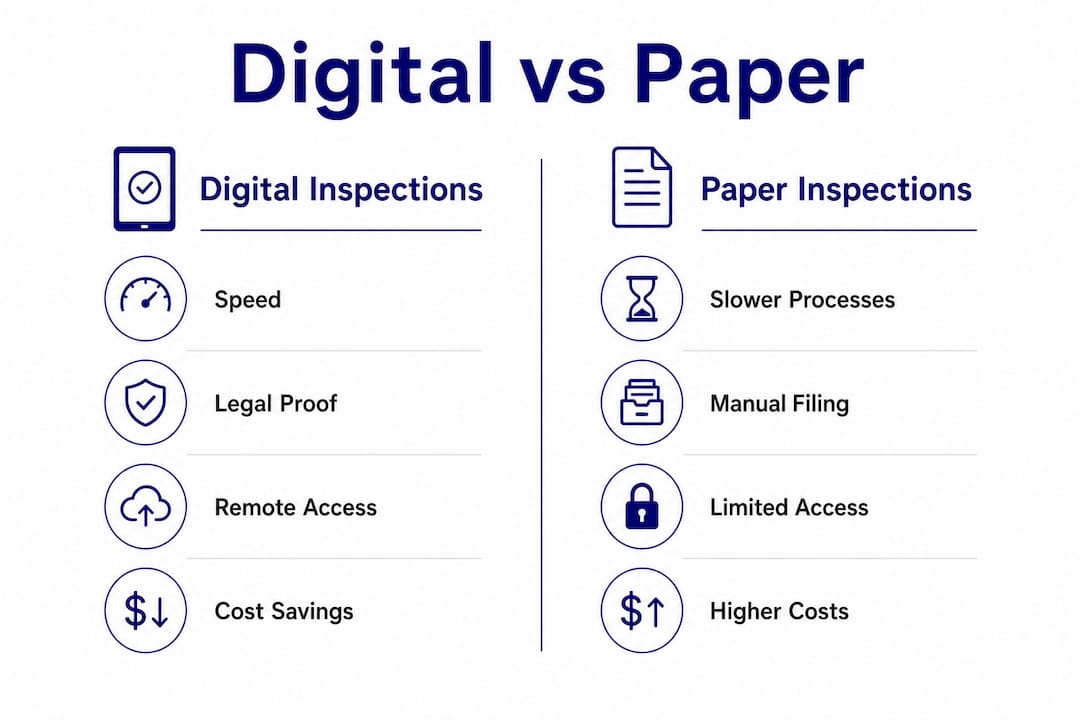
Beyond speed, the legal protection is real. Geotagged, timestamped photos create a chain of evidence that's hard to dispute in court or with an insurance adjuster. A paper report with handwritten notes and a few JPEGs emailed separately simply doesn't carry the same weight.
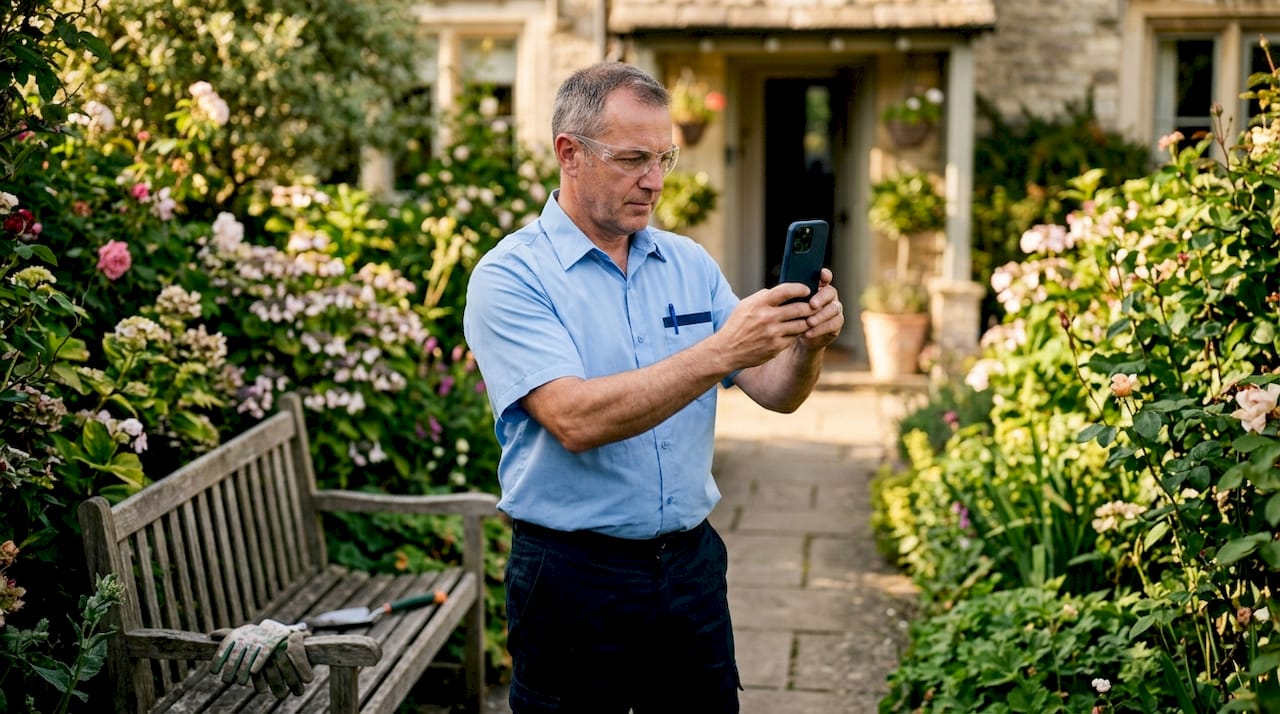
Remote accessibility matters too, especially for vacation homeowners or investors managing properties from out of state. A digital property inspection report can be reviewed, signed, and shared from anywhere. For insurance policyholders, that means faster claims processing and less back-and-forth with adjusters.
Cost savings vary by situation. DIY inspection apps cost a fraction of a professional visit, and for routine condition documentation between professional inspections, they're often sufficient. For Florida buyers navigating mortgage requirements, digital reports also speed up the documentation process lenders require before closing.
How to do your own digital home inspection
DIY digital inspections work best for routine condition documentation, insurance renewals, and pre-listing prep. They're not a substitute for a certified inspector when you're buying a home, but for ongoing property monitoring they're genuinely useful.
- Choose the right app. Apps like zInspector, SnapInspect, and Tenatur each suit different needs. zInspector works well for landlords and property managers. Tenatur is built for speed, completing a move-in inspection in under five minutes using AI photo analysis. SnapInspect targets maintenance teams managing multiple units.
- Set up your template before you start. Most apps let you customize checklists by room and property type. Spend five minutes building a template that matches your home's layout so you don't skip areas.
- Shoot wide-angle photos first, then close-ups. Capture the full room context before zooming in on defects. This gives any reviewer, including an insurance adjuster, the spatial context they need.
- Document every system. Roof, HVAC, plumbing, electrical, foundation, and exterior. Missing a system is the most common DIY mistake.
- Use voice notes for anything the camera can't show. Sounds, smells, and tactile findings (soft flooring, loose railings) matter. Most apps transcribe voice notes automatically.
- Sign the report digitally before you share it. A signed, timestamped report carries far more weight with insurers than an unsigned PDF.
- Store reports in a consistent location. Cloud storage tied to the app is fine, but also keep a local backup. For insurance claims, you want instant access to reports from prior years.
Pro Tip: If your app supports offline-first operation, test it in your basement before you start. Confirm data saves locally, then check that it syncs when you return to the main floor. One test run prevents a lost inspection.
For anything beyond routine documentation, such as pre-purchase due diligence or an FHA appraisal negotiation, pair your DIY report with a certified professional inspection.
Which local US digital inspection providers should you consider?
Two Chicago-area firms stand out for homeowners and investors who want a certified professional rather than a DIY app.
| Provider | Services offered | Specializations | Certifications | Regional coverage | Ratings |
|---|---|---|---|---|---|
| Home Inspection Star Inc. | Pre-purchase, pre-listing, new construction, commercial, multi-unit, radon, sewer scope, pool and spa, termite | Residential and commercial property evaluations | InterNACHI standards, Certified Master Inspectors, CCPIA member | Chicago metro | 4.9★ (379 reviews) |
| The HouseDoctors Property Inspections Inc. | Residential and commercial building inspections, home inspector training | Residential and commercial inspections | BBB Accredited Business | Chicagoland, IL | 4.9★ (86 reviews) |
Home Inspection Star Inc. is the stronger pick for buyers and real estate professionals who need certified, standards-compliant reports. Their Certified Master Inspector and CCPIA credentials mean their digital inspection reports meet the documentation bar that lenders, attorneys, and insurers expect. The range of add-on testing, including radon, sewer scope, and pool and spa, makes them a one-stop shop for thorough due diligence.
The HouseDoctors Property Inspections Inc. brings over 30 years of experience in the Chicagoland market and BBB accreditation, which matters to homeowners and investors who prioritize an established track record. Their focus on detailed reporting for buyers and investors suits anyone who wants a thorough written record rather than a quick digital summary.
What's next in digital inspection technology?
The field is moving fast, and a few trends are worth watching closely.
AI and field-to-office workflows are already the baseline for professional inspectors. Real-time report delivery removes the manual post-inspection entry step entirely, cutting errors and speeding up delivery to clients and insurers.
360-degree cameras paired with inspection apps like zInspector's virtual tour feature let inspectors create immersive room-by-room walkthroughs. For luxury estate condition baselines, this is particularly useful. A 360-degree tour captured at move-in or before a storm season gives owners a visual record that standard photos can't match.
Augmented reality overlays are the next frontier. AR technology in inspection systems delivers hands-free guided walkthroughs with digital overlays that prompt the inspector through each checklist item and verify compliance on-site automatically.
Data security is a legitimate concern as inspection reports contain sensitive property details, photos of security systems, and personal information. Choose platforms that use encrypted cloud storage, role-based access controls, and clear data retention policies. Ask any provider how long your inspection data is stored and who can access it.
| Technology | Key benefit | Best application |
|---|---|---|
| AI defect detection | Flags issues in real time | All property types |
| Offline-first apps | Works without cell signal | Basements, rural sites |
| 360-degree cameras | Immersive condition baseline | Luxury estates, vacation homes |
| AR overlays | Hands-free guided walkthroughs | Complex commercial properties |
| Geotagged photos | Legally defensible evidence | Insurance claims, disputes |
30apropertycollective: weekly inspections built into your membership
If you own a luxury property along Florida's Emerald Coast and the providers above don't serve your market, 30apropertycollective offers a fundamentally different approach. Rather than a one-time inspection, their estate management services include weekly home inspections with digital reports delivered to you as part of an ongoing membership.

The difference is continuity. 30apropertycollective's team monitors your property every week, catching issues before they become expensive repairs, handling storm preparation and post-storm assessments, and keeping your home arrival-ready at all times. Their concierge membership plans cover everything from smart home system monitoring to vendor coordination, all documented digitally so you always know your property's current condition. For homeowners who want proactive, year-round oversight rather than a single inspection event, that's a different category of service entirely.
Key Takeaways
Digital home inspections combine AI-powered apps, geotagged photo evidence, and standards-compliant templates to deliver faster, legally defensible property reports than traditional paper-based methods.
| Point | Details |
|---|---|
| AI cuts admin time sharply | AI-powered platforms reduce administrative tasks by up to 80% through automated report generation. |
| Legal defensibility matters | Timestamped, geotagged photos and digital signatures create records that hold up in insurance claims and disputes. |
| Offline-first is a must-have | Apps that work without cell signal capture data in basements and rural sites, syncing automatically when back online. |
| Certified providers add credibility | Firms like Home Inspection Star Inc. hold InterNACHI and CCPIA credentials that lenders and insurers recognize. |
| 30apropertycollective offers ongoing coverage | Weekly digital inspection reports are included in 30apropertycollective's estate management memberships for Emerald Coast homeowners. |